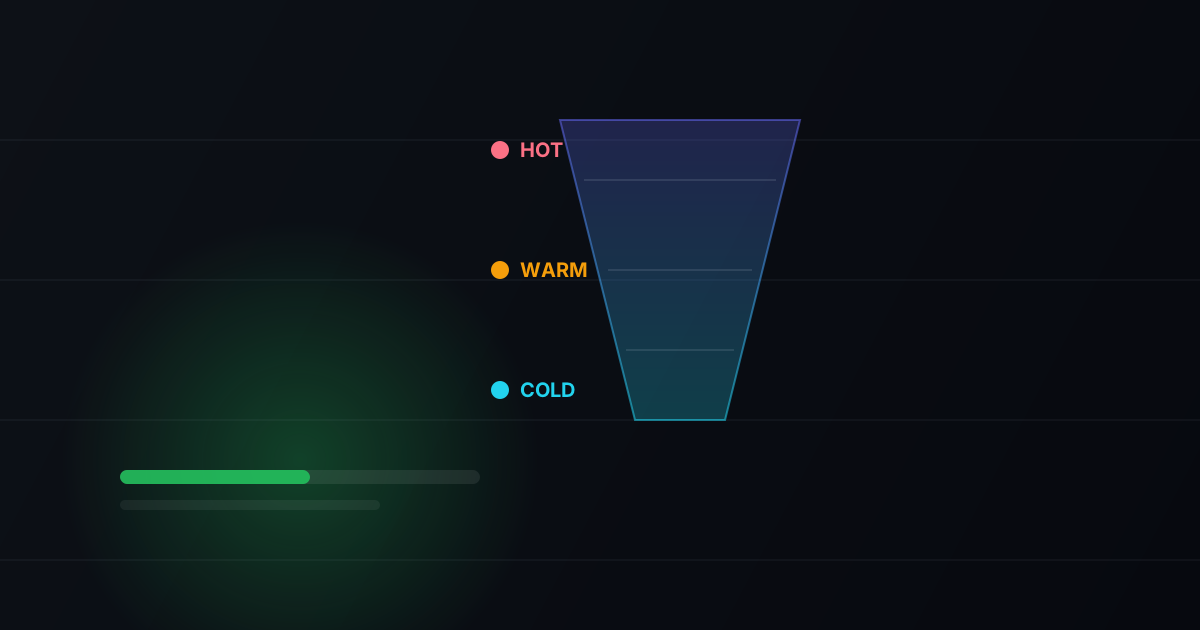
The bottleneck in most outbound teams isn't making calls — it's deciding which of the calls already made deserve a follow-up today. A simple hot, warm, cold framework, applied consistently right after every call, fixes that.
Start with the disposition, not the transcript
Every completed call should end with a clear outcome tag: hot, warm, cold, callback, or not interested. This single field is what makes a call list sortable and actionable — reading full transcripts to decide priority doesn't scale past a handful of calls a day.
Use AI summaries to explain the 'why'
A disposition tells a rep what to do next; a short AI-generated summary tells them why. 'Interested in bulk pricing, asked for a callback next week' is far more useful heading into a follow-up than a raw transcript a rep has to skim under time pressure.
Define what moves a lead between buckets
- Hot — asked for pricing, availability, or a next step unprompted
- Warm — engaged with the pitch but has an open objection or timing concern
- Cold — no interest, wrong contact, or a firm no
- Callback — asked for a specific later time
- Not interested — should be suppressed from future campaigns
Review the list daily, not weekly
Hot and warm leads decay fast. A lead marked hot on Monday and not called back until Thursday has usually cooled off. Building a habit of clearing the hot list every single day is worth more than any scoring model.