Outbound calling has always been a numbers game — the more qualified conversations a team can have, the more pipeline it builds. AI voice agents change the shape of that equation by handling the repetitive, time-sensitive parts of a call so human reps can focus on closing. Here are five ways that shift is showing up in how outbound teams operate.
1. Calls happen the moment a lead is ready
A contact uploaded at 9pm doesn't have to wait for the next morning's shift. AI voice agents can start dialling as soon as a campaign is live, so response time — one of the strongest predictors of conversion — stops depending on staff availability.
2. Objection handling is consistent, every single call
Human reps have good days and bad days. An AI agent gives the same clear, on-script answer to a pricing objection or a 'call me later' on the first call of the day and the five-hundredth, which keeps the brand experience consistent across a whole campaign.
3. Product questions get answered on the spot
When a script is built from a real product catalogue, the agent can speak to specs, variants, and offers instead of just reading a pitch. That turns a cold intro call into something closer to a real sales conversation.
4. Every call becomes structured data
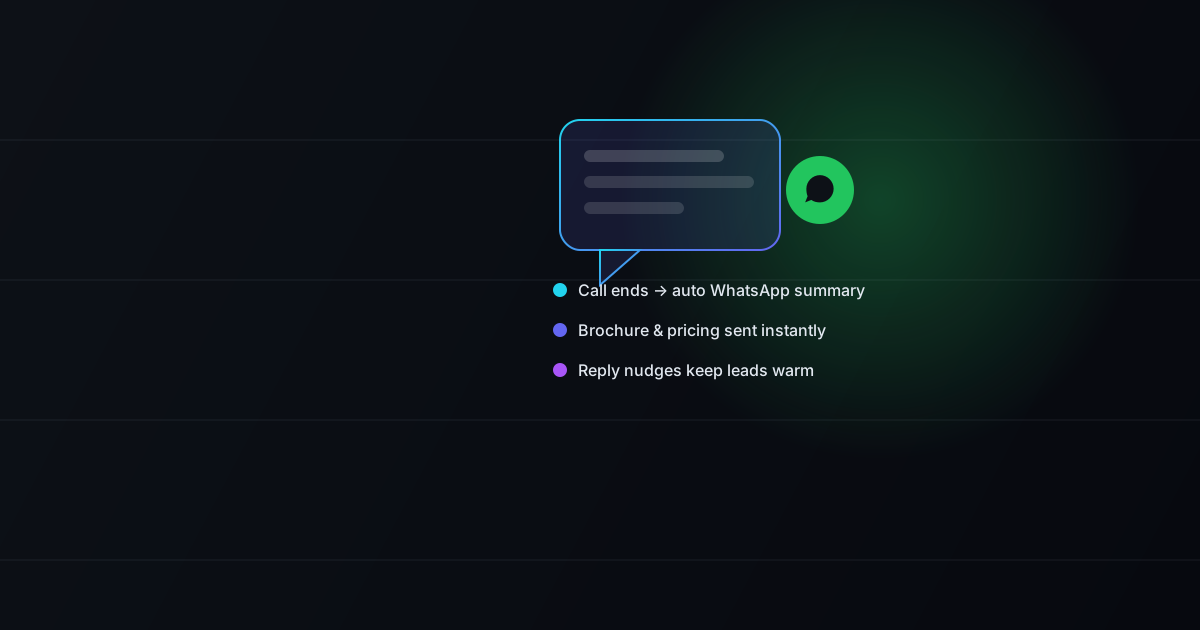
Recordings, transcripts, and AI-generated summaries mean a call isn't just a data point in a dialler log — it becomes searchable history that a follow-up rep can read in seconds before calling back.
5. Reps spend their time where it matters
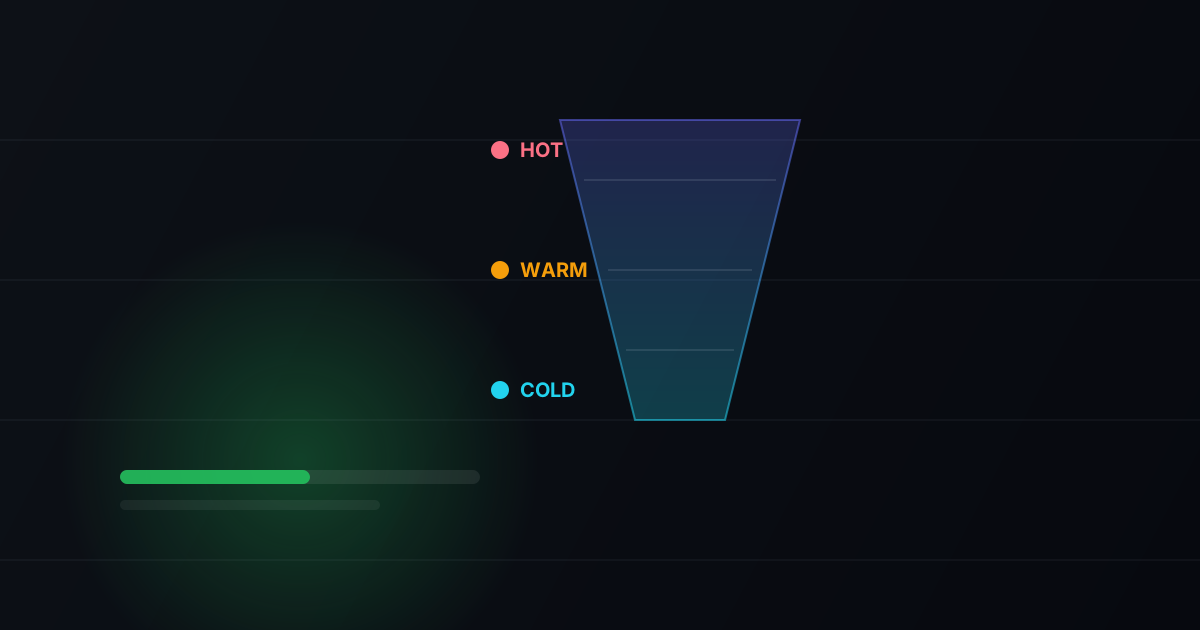
With first-pass qualification handled automatically, sales reps spend more of their day talking to hot and warm leads instead of dialling through a cold list. That's the real productivity gain — not replacing conversations, but routing human attention to the ones that are ready to convert.